
Diagnosis of the chassis of the car
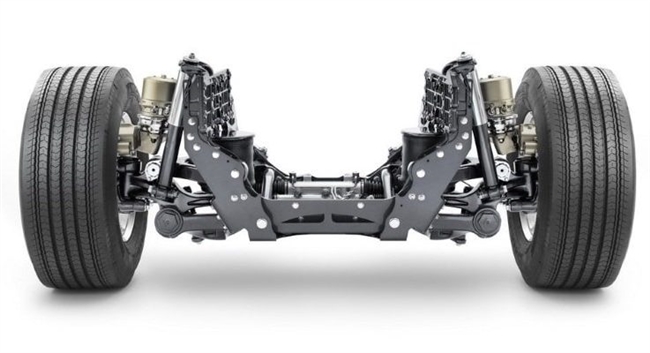
Chassis feels the load regardless of whether the car is moving or standing. The appearance of vibration or sounds indicates a problem in its operation. Even if everything at first glance is working and does not bother, you need to systematically diagnose the chassis. It is carried out at each change of motor oil if the car is passenger or every 15000 km for freight transport.
Timely detection and elimination of minor breakdowns is much cheaper and safer than waiting for complex faults. The peculiarity of the running system is that damage to one spare part leads to further damage to its other components. This eventually leads to complete failure and emergencies.
What is the diagnosis of running gear
There are three cases when the chassis is checked:
- Fault. You heard knocking, clicking, crashing and other unusual sounds. You may also be alarmed by the behavior of the car when cornering, braking or accelerating. Diagnosis will help to accurately identify the problem and deal with it.
- IT plans. It is always better to prevent a problem than to fix it. Timely repairs are much more economical and faster.
- Buying a used car. The inspection in this case is carried out not only to ensure safety, but also to reduce the cost or cancel the purchase.
What is included in the diagnostics of the chassis
Chassis diagnostics is a preventive method of car inspection, which is used to prevent road accidents and ensure safety. The following elements are checked during the inspection:
- Brake system. Determination of hoses, drums, brake discs and pads is determined.
- Pendant. Degree of wear, mechanical damage and backlash.
- Amortization. Detection of depressurization and leakage.
- Bearings. Inspection for leaks, damage and wear.
- Steering unit. The integrity, tightness and backlash are checked.
- Anthers. The degree of wear, the presence of gaps and other defects.
- Support mechanism
- Springs. The tone at compression is defined.
- Wheels. Symmetry, mechanical damage to the rubber and disc parts.
- Silent blocks. Wear, check for mechanical damage and tears.
- Ball. The presence of backlash.
- Levers.
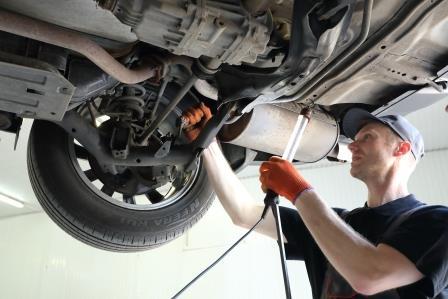
When emergency diagnosis is needed
For each responsible motorist scheduled diagnostics of the chassis should be the norm. But no one is insured against unforeseen breakdowns. They can be detected if you treat the car responsibly, listening to its work and paying attention to any changes in driving behavior.
Every serious malfunction begins with simple wear or minor damage. It is much easier and cheaper to repair a breakdown in the early stages. According to the following main features, you can determine the need to contact a car service:
- The car drives to the side while driving. This may be due to unevenly inflated tires or problems with the braking system.
- Rocking when entering a turn. The cause may be a problem with the stabilizer bushes or the shock absorbers.
- Increased vibration. The root of the problem lies either in the steering system or in the wheel mounts.
- Extraneous sounds. Shock absorber problems or a complete malfunction of one of them. Problems with springs, steering rack and silent blocks are considered to be rarer causes.
- A sharp creak when you press the brake. The problem lies in the problem of the brake system.
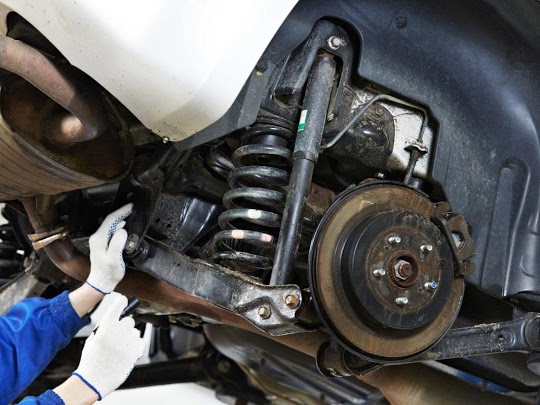
Any unusual sounds that occur while driving – this is enough reason to go to the service station. Any damage to the chassis can cause improper weight distribution of the vehicle, accelerate the wear of other parts and several times more expensive repairs.